

Australian Open 2026: World‑Class Experience, Crowded Brand Landscape
Few sporting events deliver atmosphere quite like the Australian Open. Last week I was on site as a fan, taking in matches featuring world‑class players such as Paula Badosa, Marin Čilić, Stan Wawrinka and Stefanos Tsitsipas, plus the home‑favourite doubles pairing of Nick Kyrgios and Thanasi Kokkinakis. As a fan, it was everything you want from a Grand Slam, electric crowds, perfect weather, and Melbourne at its absolute best.
Having been to Wimbledon and Roland Garros, the AO stands apart for its ability to blend elite tennis with a festival‑like celebration of the city’s culture, fashion and food scene. It’s a world‑class experience in every sense.
But from a sponsorship perspective, it’s also a fascinating study in what happens when exceptional fan experience meets a crowded brand landscape. With so much happening across the precinct, only a handful of brands truly cut through. Here are 10 of my takeaways from a day at Melbourne Park.
1. Melbourne at Its Best: Hospitality, Atmosphere and Experience
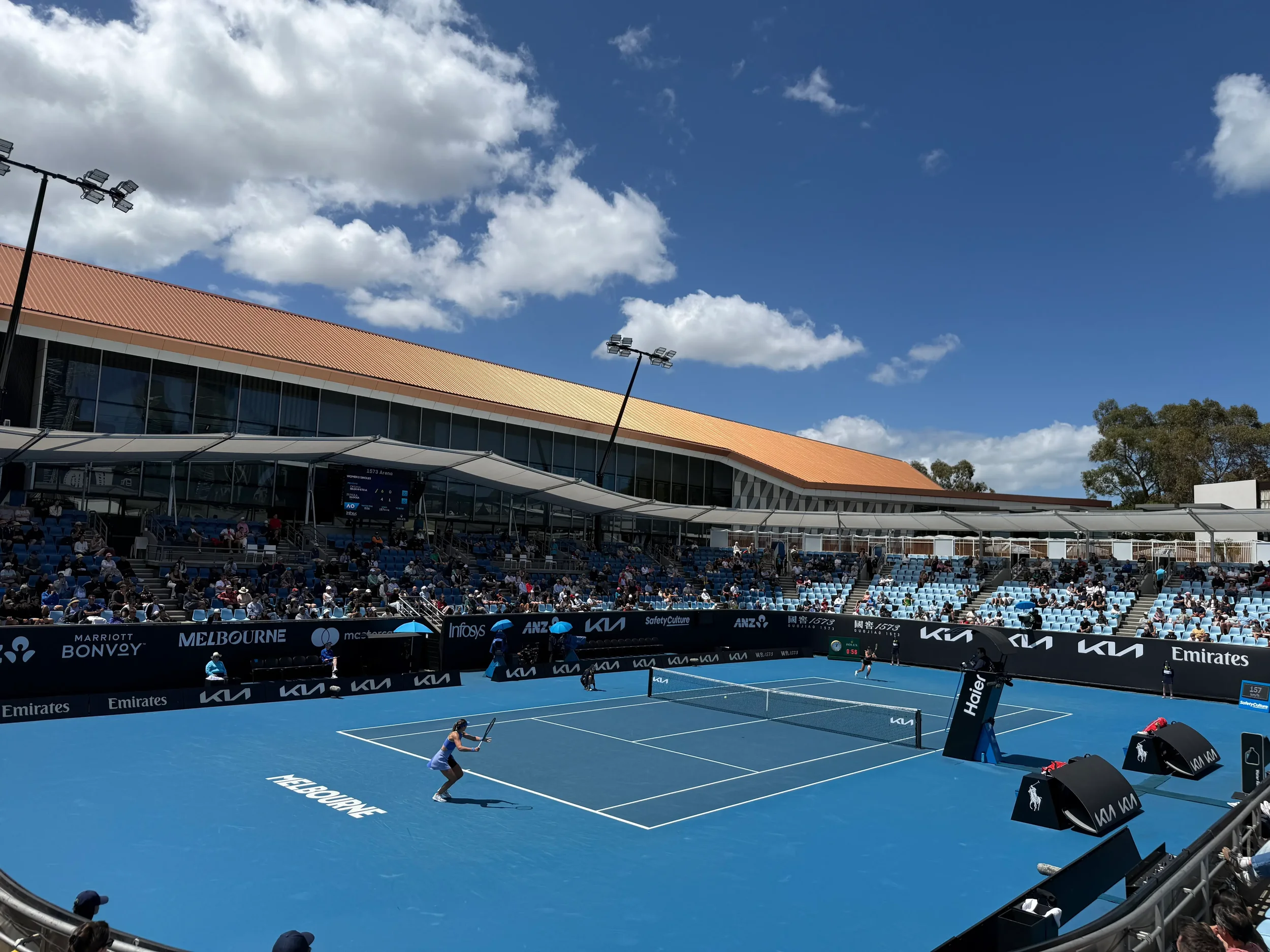
Fan experience is at the forefront of everything the AO does, there’s not a bad seat in the house.
The AO’s corporate hospitality offering is first class, but so is the atmosphere, food and beverage options, accessibility and general fan experience. This is Melbourne’s time to shine, and they absolutely shine.
But with that ambition comes a challenge: brand clutter.
There is so much happening inside arenas and around the precinct that very few brands truly stand out. If pushed, KIA and ANZ are the only two with consistent, memorable visibility. Beyond that, the landscape becomes noisy and brand recall drops sharply.
For a tournament of this scale, that’s a strategic consideration.
2. Mecca’s Sunscreen Play: A Small Activation With Big Impact
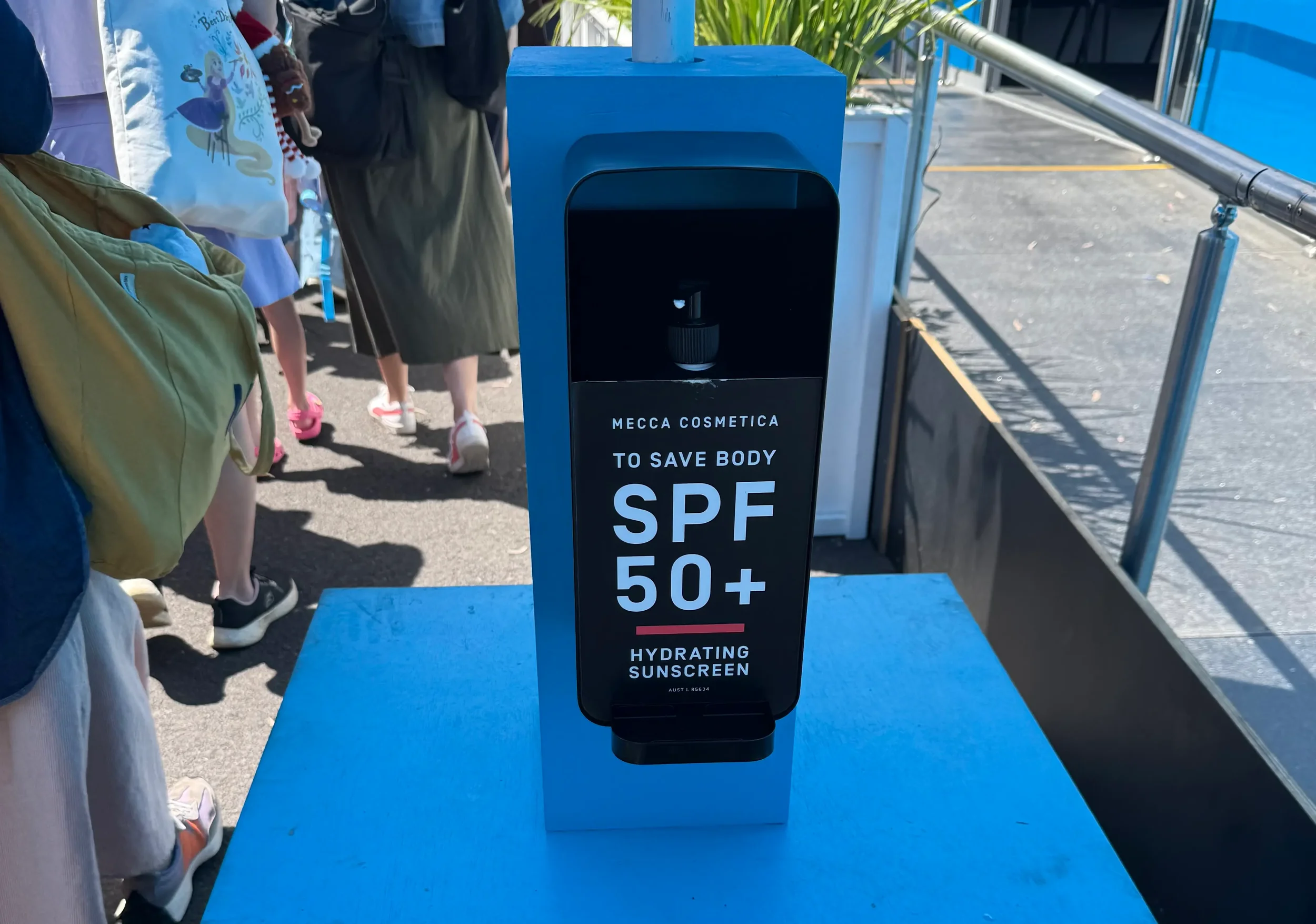
Slap on some sunscreen: Mecca delivered sun safety for patrons with this simple activation.
One of the smartest activations came from Mecca. Their sunscreen dispensers at the entrance were a simple, high‑value touchpoint. In Australia, sun safety is ingrained in the culture, and Mecca leaned into that perfectly.
Promoters offering top‑ups throughout the precinct reinforced the message and created a positive brand impression. It’s a reminder that utility‑based activations often outperform more elaborate ones.
3. Melbourne’s Culinary Icons Steal the Show
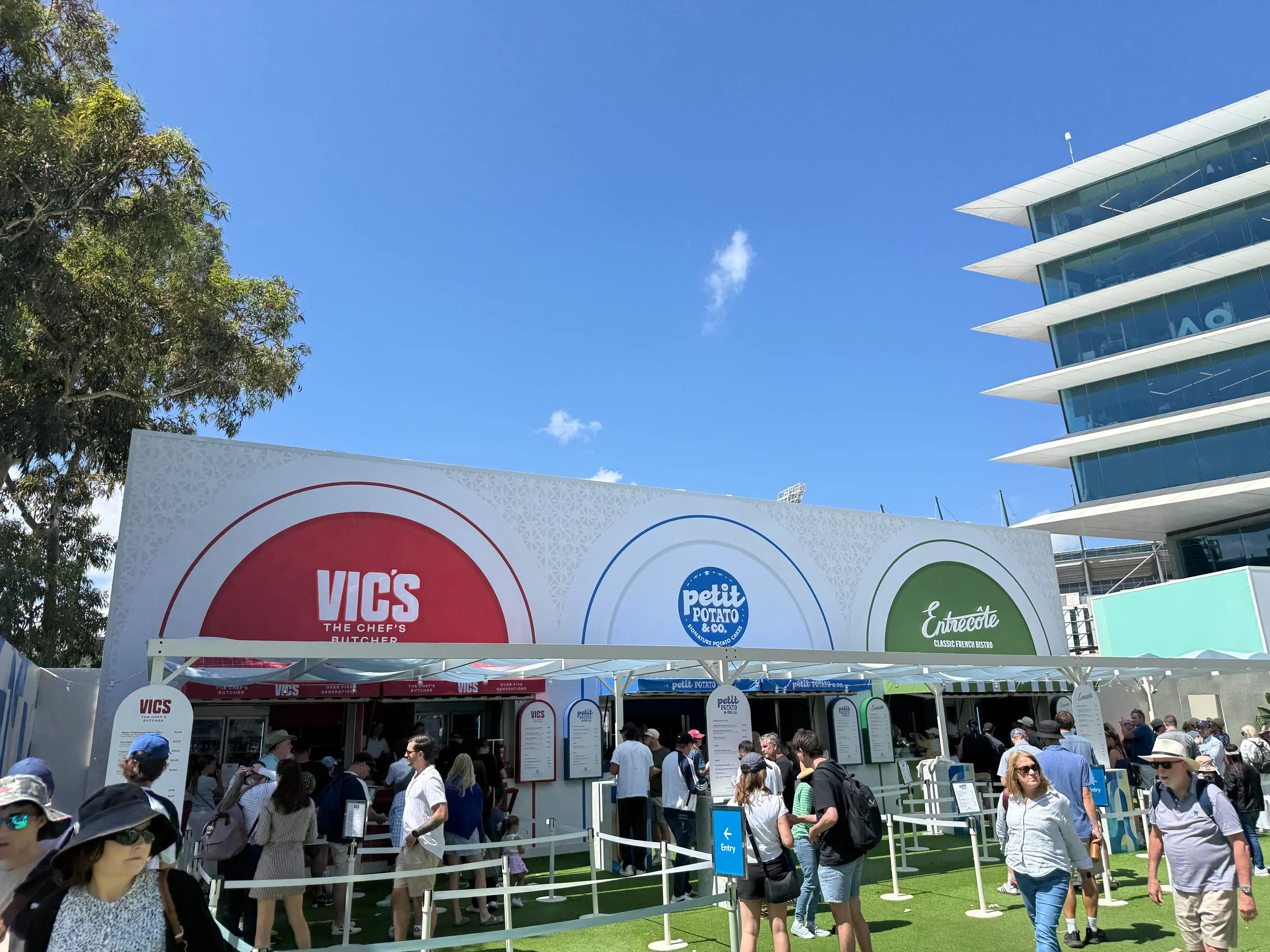
Delicious: There’s certainly no shortage of food options for patrons of the Australian Open.
The restaurant pop‑ups were clear winners. Entrecôte, Stalactites, Hector’s Deli and D.O.C, all Melbourne institutions, cemented their status with strong precinct placements.
The queues at lunchtime were manic, and deservedly so. My own maitrillette baguette from Entrecôte was good enough to make me want to visit Entrecôte’s Prahran venue next week. That’s the power of a well‑executed food partnership: immediate revenue plus long‑tail brand impact.
4. On‑Court Signage: High Value for a Few, Clutter for the Rest
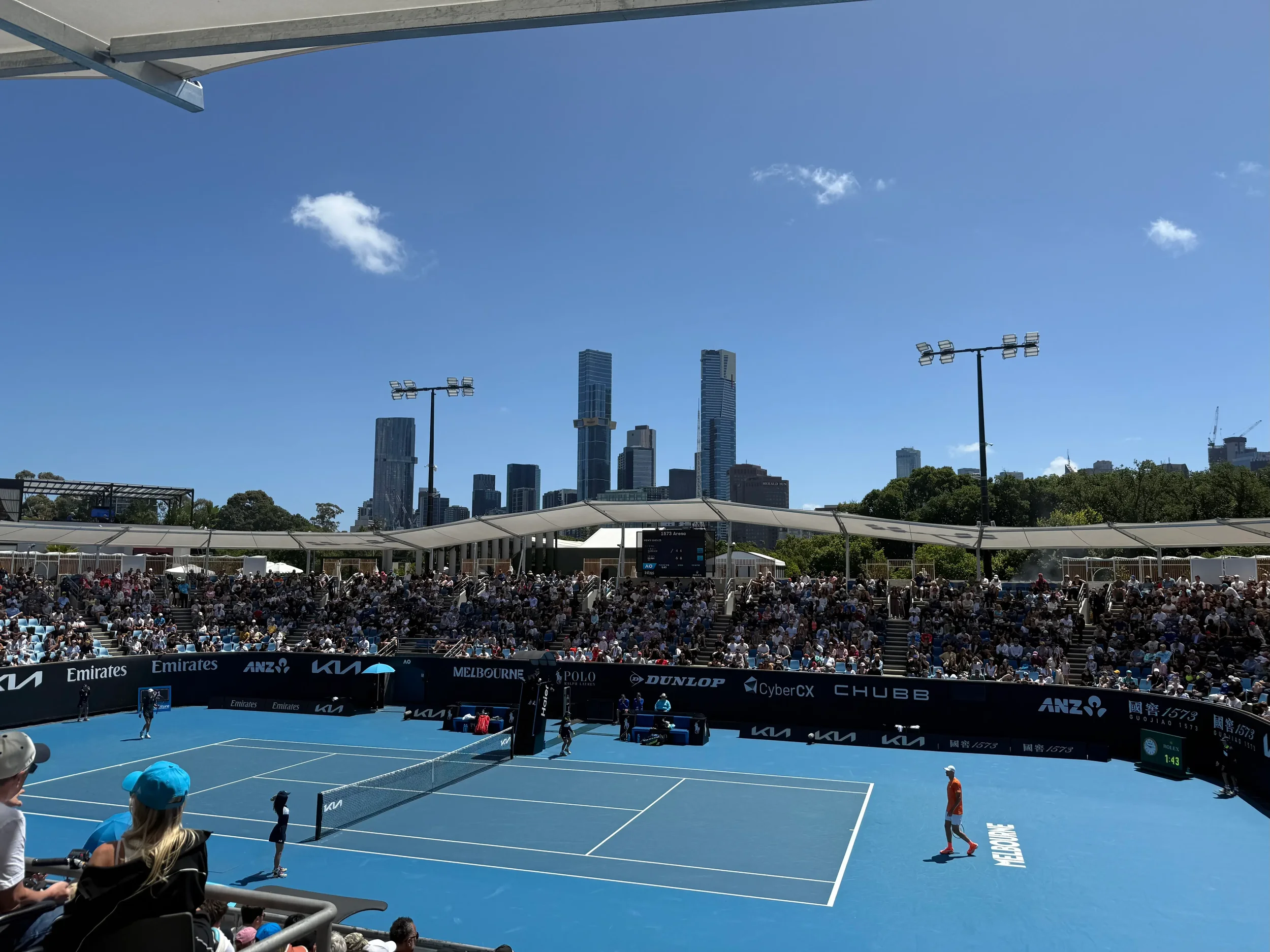
How many brands can you count here?
The on‑court signage is extremely cluttered. In the above photo there are eleven brands visible in a single frame.
KIA dominate the backwall, a tried‑and‑tested broadcast media value driver, but outside of that, brands may not be getting the broadcast exposure they expect. When everything is branded, nothing stands out.
This is an area where the AO could refine its commercial strategy.
5. Rolex: The Gold Standard in Sponsorship Consistency
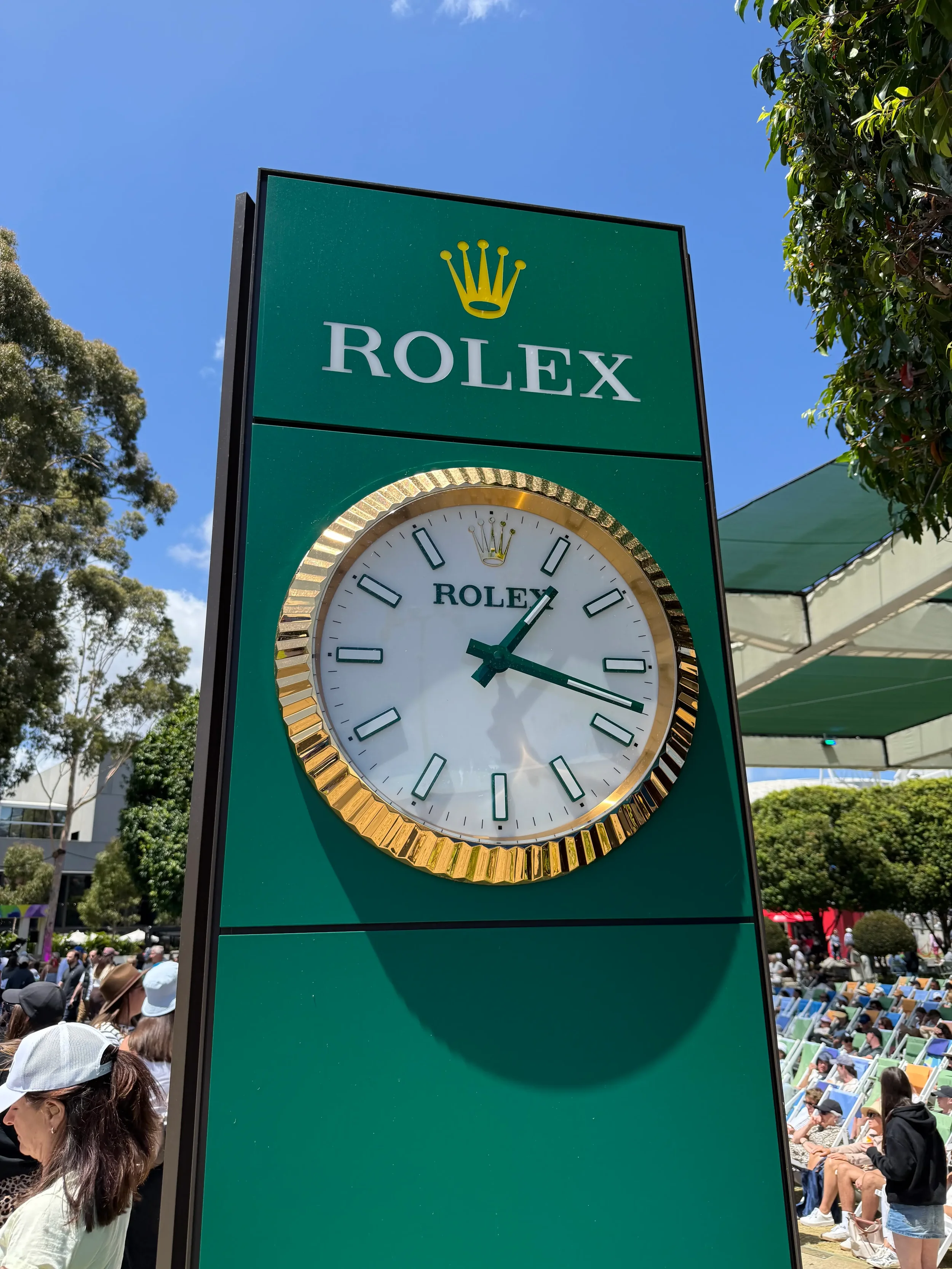
Timing is everything for Rolex and in the sport of tennis.
Rolex continues to cement its place as one of the most iconic sponsorship brands in global sport. Their green‑and‑yellow branding and gold‑plated clocks around the precinct are unmistakable.
It’s a masterclass in consistency. They don’t need to shout; they just need to show up the same way every year.
6. Arena Sponsors Delivering Real Value
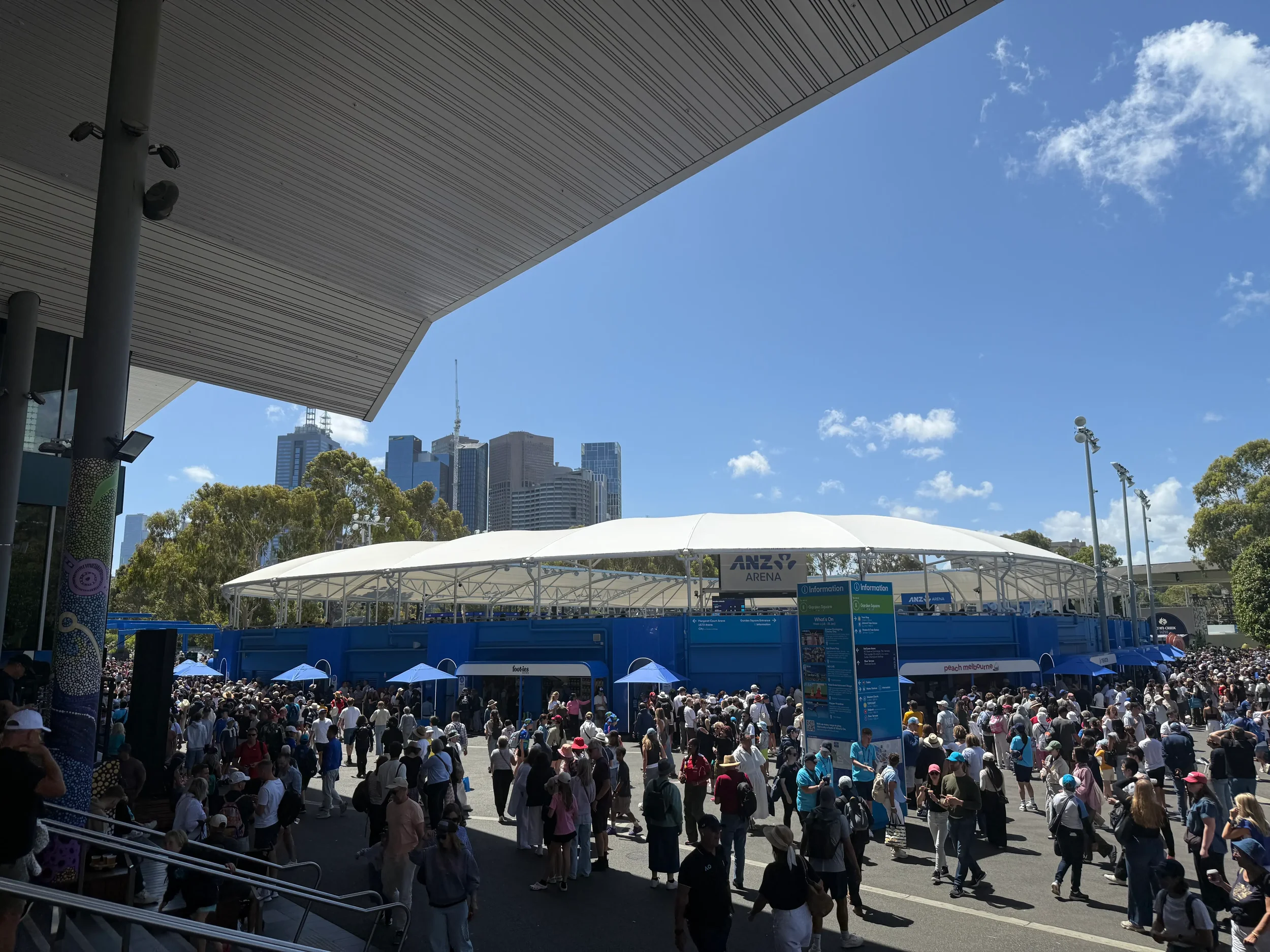
ANZ Arena is a relatively new addition to the precinct, but is unmissable right next to the main entrance.
The arena naming partners; KIA, ANZ and 1573, are some of the few brands that genuinely cut through the noise. Their visibility is reinforced across multiple touchpoints: broadcast mentions, word‑of‑mouth, tournament publications, signage inside and outside their arenas, and even the wayfinding around Melbourne Park. Arena naming rights are a significant investment, but at the Australian Open they feel justified. These brands benefit from consistent exposure that extends far beyond the court itself, creating a level of recall that many other sponsors on site simply don’t achieve.
7. Emirates and the Ball Park: A Smart Family‑First Play
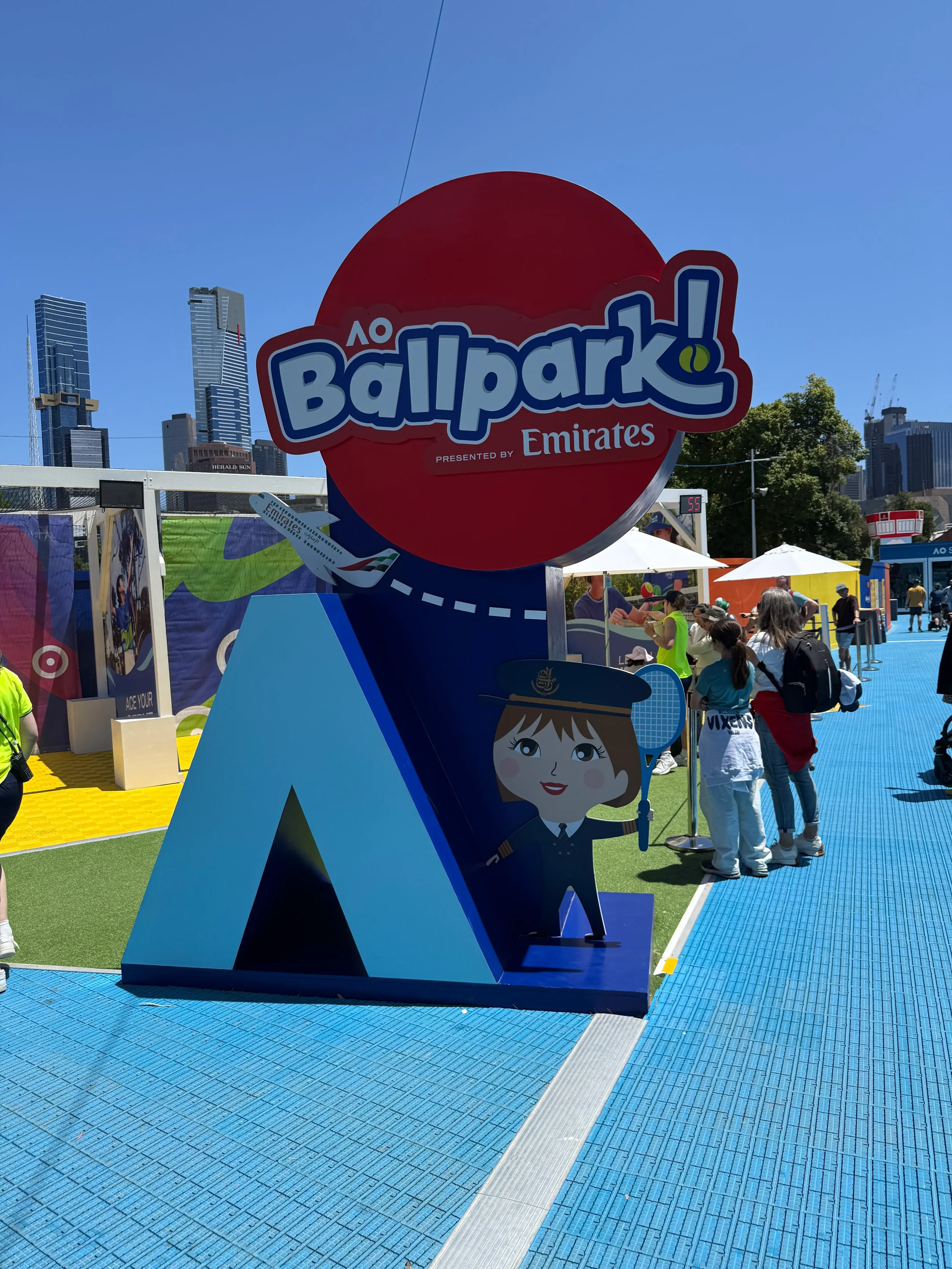
Fly away with me: Emirates puts families first with their Ball Park activation zone.
Emirates’ naming partnership with the Ball Park, a family‑friendly zone with a waterslide, kids’ shows, hitting zones and an obstacle course, is a clever move.
For a premium airline, aligning with families who can afford overseas holidays is a strategic fit. It’s a reminder that context matters as much as visibility.
8. Longevity Matters: The Power of Consistent Partnerships
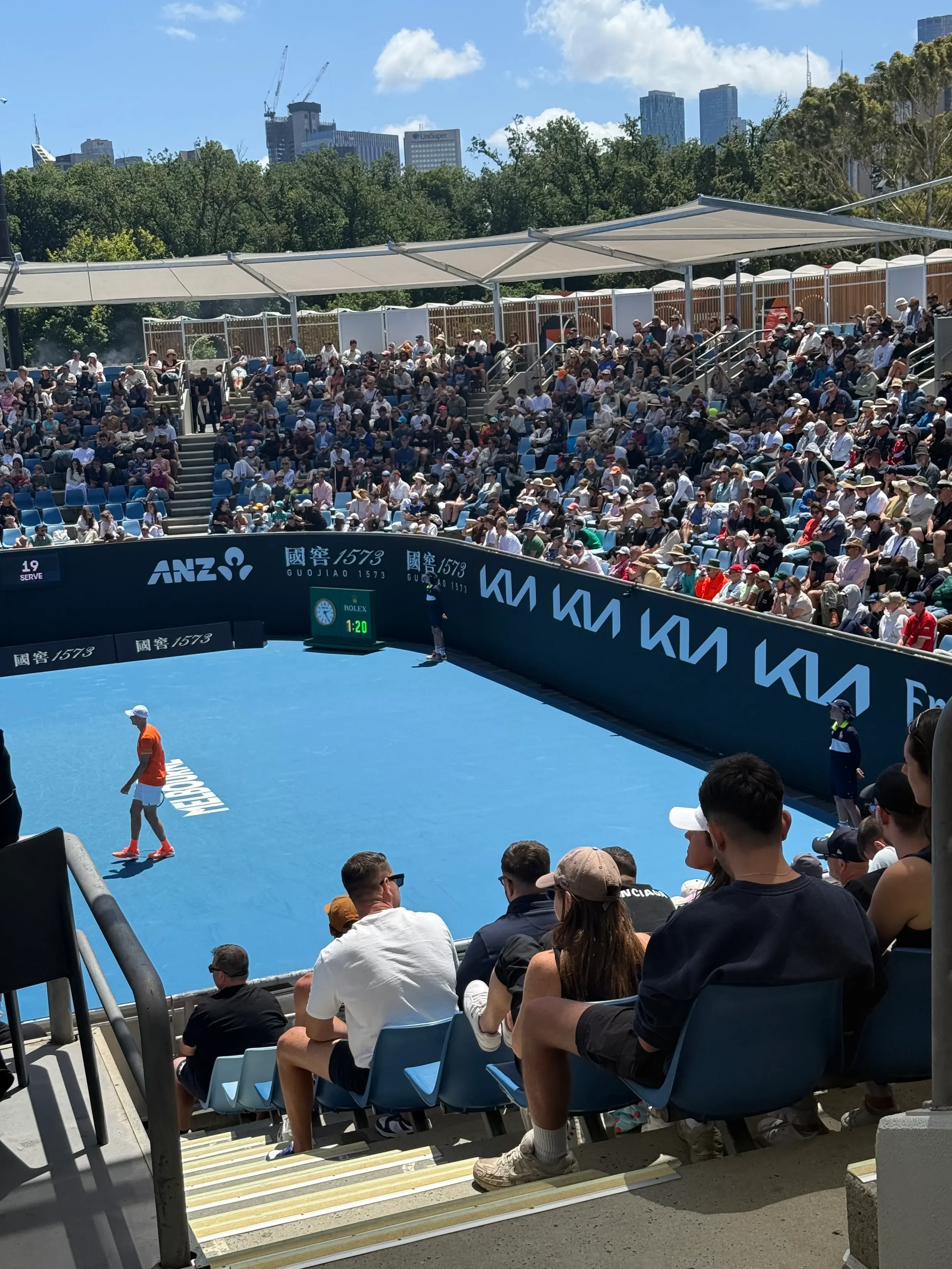
KIA driving their brand visibility. The car manufacturer holds the dominant position on the backwalls of the courts at Melbourne Park.
One thing the AO does exceptionally well is retain partners. KIA, ANZ, 1573 and Emirates have all been sponsors for as long as I’ve been attending (since 2019).
There are only four Grand Slams, and the AO is widely considered the most forward‑thinking. Brands know the value of staying in the ecosystem.
9. A Logo Everywhere You Look
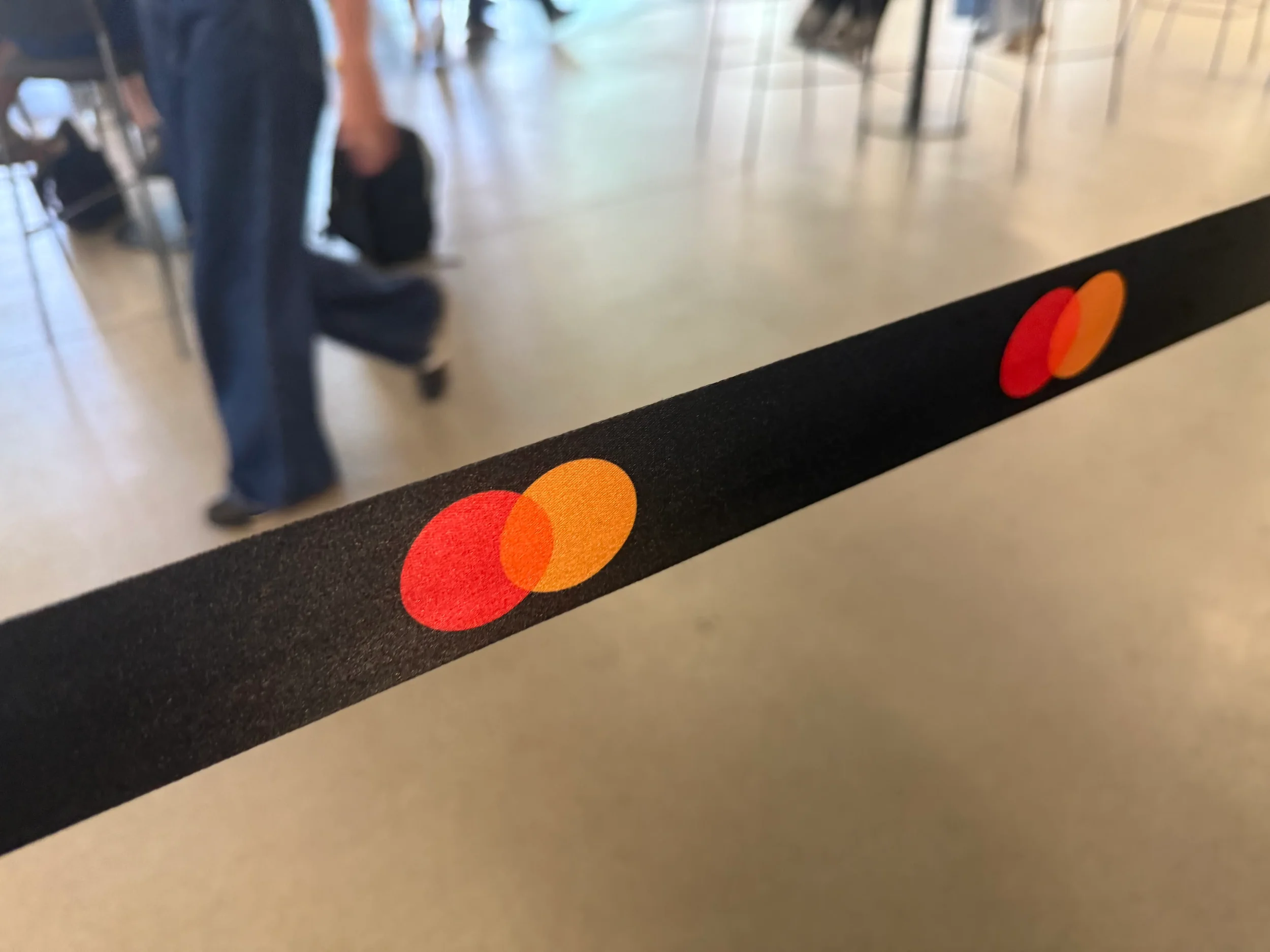
Mastercard with a masterclass in brand positioning.
The AO doesn’t miss an opportunity to place a logo. Every surface, every sign, every touchpoint carries a partner brand.
It’s commercially effective, but again, it contributes to the clutter challenge.
10. Smart Category Management
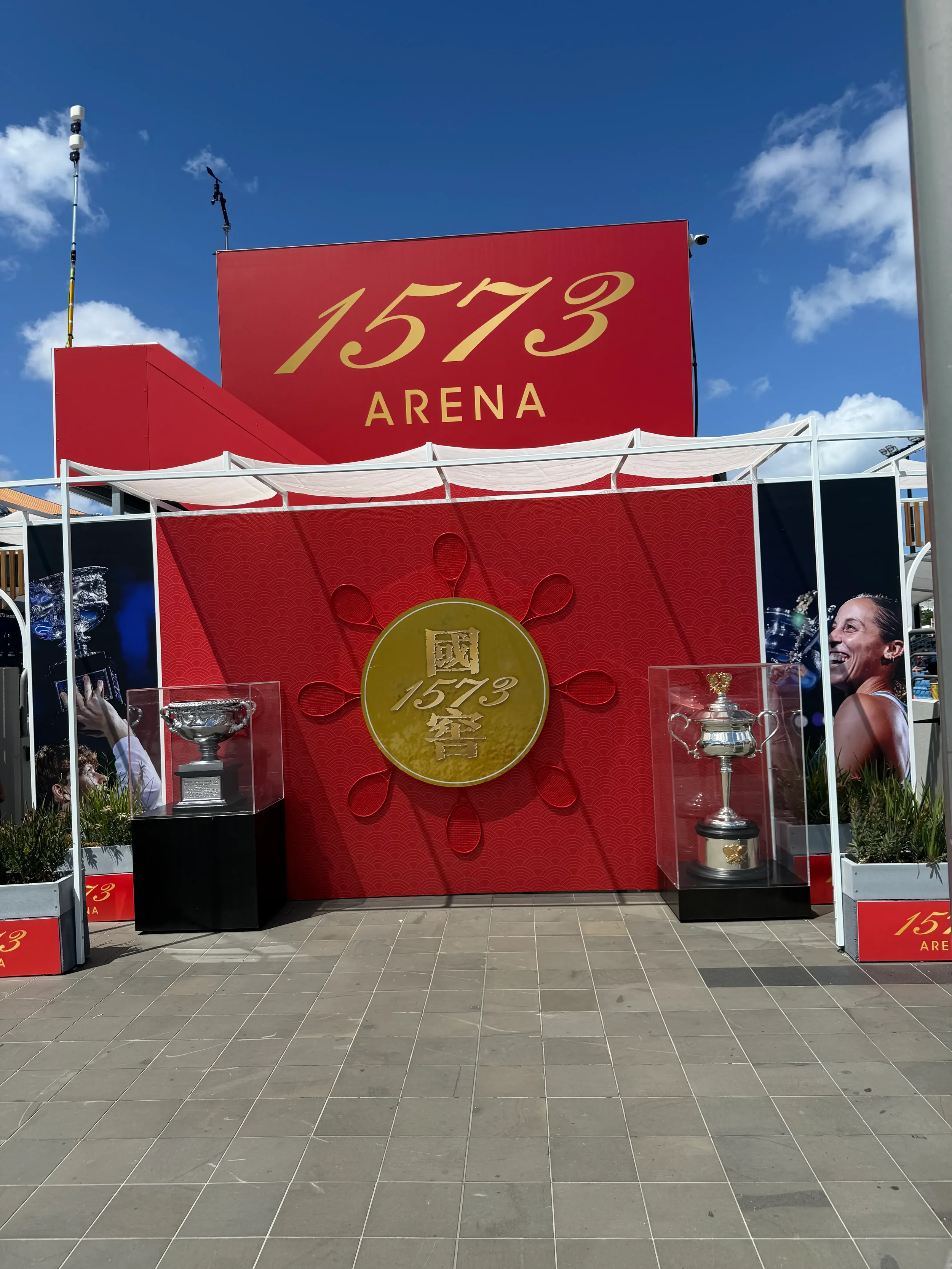
1573, a Chinese baijiu brand, co-exists seamlessly with wine, champagne & beer partners.
One area where the AO excels is category coexistence. Brands like New Balance and Polo Ralph Lauren manage to coexist in retail and visibility without stepping on each other’s toes. The same applies to alcohol brands like Balter, Piper‑Heidsieck and 1573, each with distinct activities and identities.
This is not easy to execute at scale, and the AO deserves credit for it.
Final Thoughts
The Australian Open remains one of the most impressive sporting events in global sport, a blend of elite tennis, Melbourne culture and world‑class hospitality. As a fan, it’s an unforgettable experience. As a sponsorship professional, it’s a reminder of how challenging it can be for brands to stand out in an environment where every surface, screen and structure carries a logo.
The brands that succeed at the AO are the ones that understand context, show up consistently and deliver something genuinely useful or memorable for fans. It’s a tournament that rewards smart strategy, not just big spend.
F42 Consulting has partnered with global sporting events and rights‑holders across multiple markets, and understands the governance and commercial ecosystem of tennis through work with the WTA, ITF and tournaments such as the Davis Cup and Billie Jean King Cup. If you’re a brand looking to navigate the tennis landscape, evaluate partnership opportunities or build activations that genuinely cut through, feel free to get in touch.