The Two‑Day Test: Winners and Losers From a Sponsorship Perspective
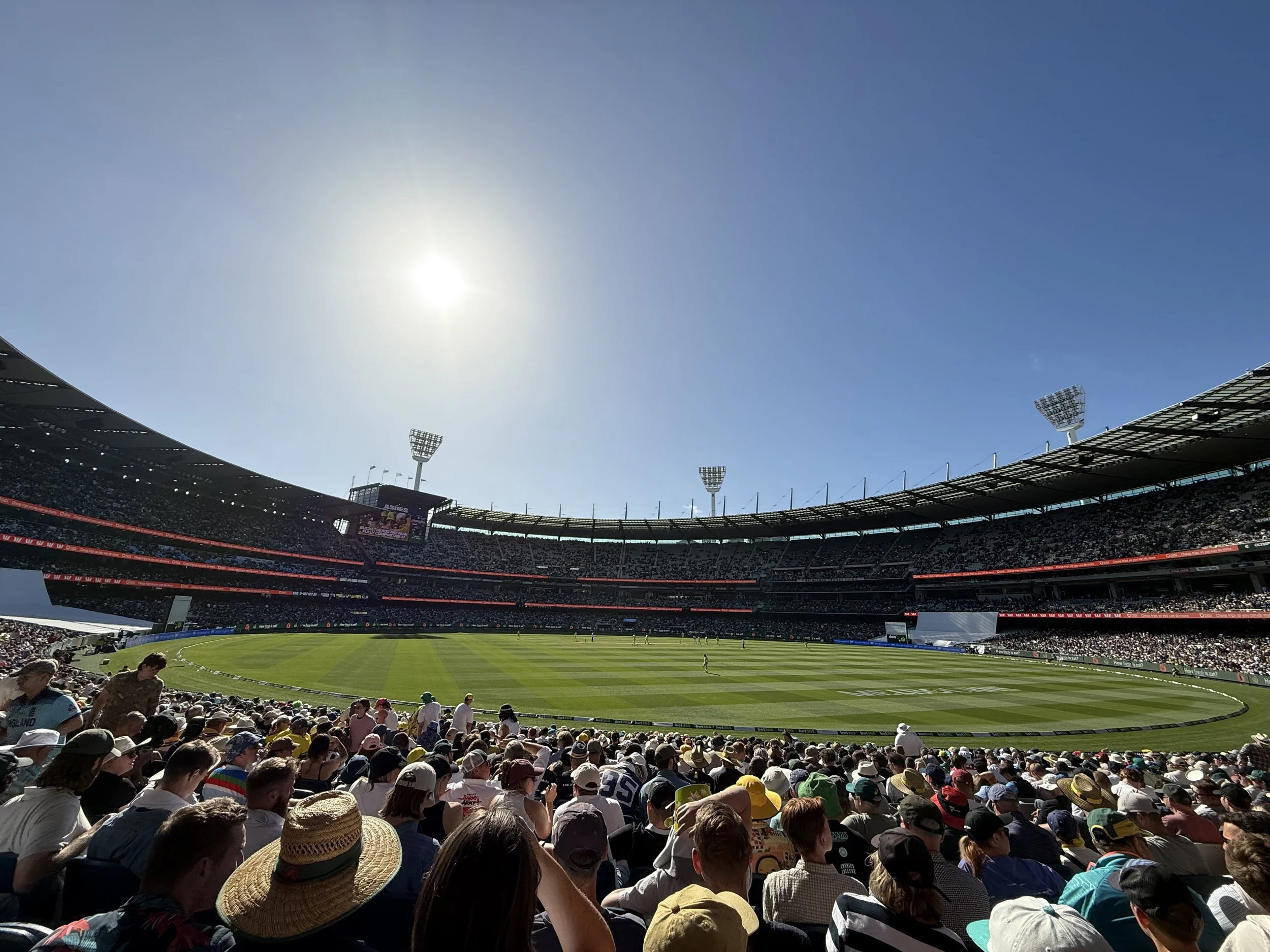
The MCG in all it’s glory on the first afternoon of the Boxing Day Test.
The Boxing Day Test is the biggest day in the Australian sporting calendar, and from an entertainment perspective it absolutely delivered. Being there in person, it felt like a rollercoaster, the kind of emotional whiplash only Test cricket can produce. The weather was flawless, the atmosphere was a jubilant celebration of everything that makes Australian sport special, and the MCG looked as magnificent as ever.
But ever since England sealed their first Test victory in Australia for the best part of 15 years, the conversation has shifted. Debate has rumbled on about the state of the pitch, the quality of the contest, and crucially, the impact a two‑day Test has on the brands who invest millions into this event. Because while the cricket was unforgettable, the sponsorship fallout tells a very different story.
Winners
Bet365: The Biggest Winner by a Mile
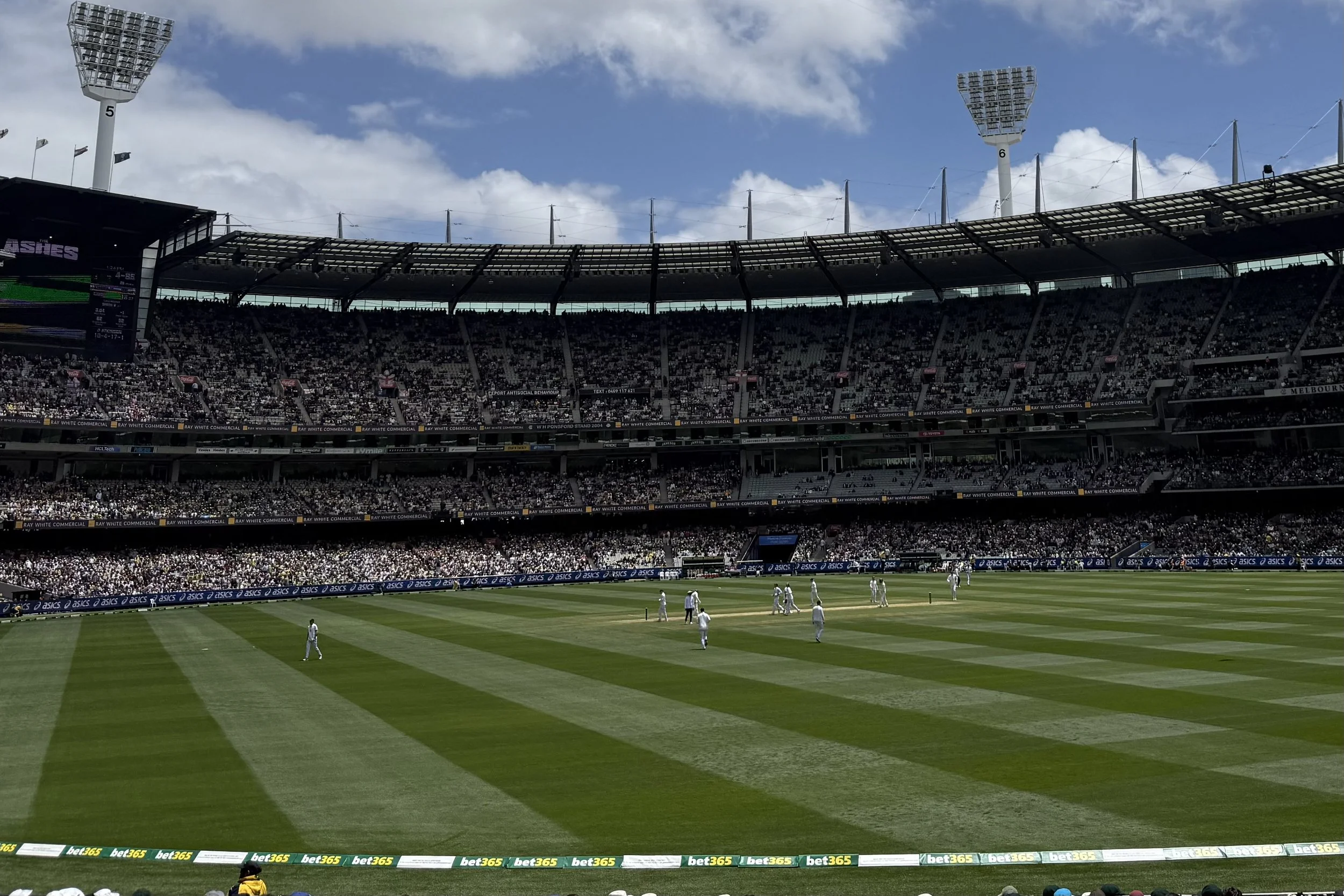
The iconic green, white and yellow Bet365 branding was displayed all around the boundary.
If there was one brand that walked away from the two‑day Test smiling, it was Bet365. A match that swung violently session‑to‑session is a dream scenario for any in‑play betting partner. Odds were moving constantly, markets were opening and closing at pace, and the level of engagement from bettors would have been enormous.
On top of that, Bet365 held 100% of the boundary rope inventory, one of cricket’s most valuable broadcast assets. With every wicket, every replay, every highlight package, their branding dominated the screen. In a shortened Test where other sponsors lost hours of exposure, Bet365’s presence became even more concentrated and impactful.
This was the perfect alignment of product, platform and match narrative.
Woolworths: Perfect Use of the Lunch Break
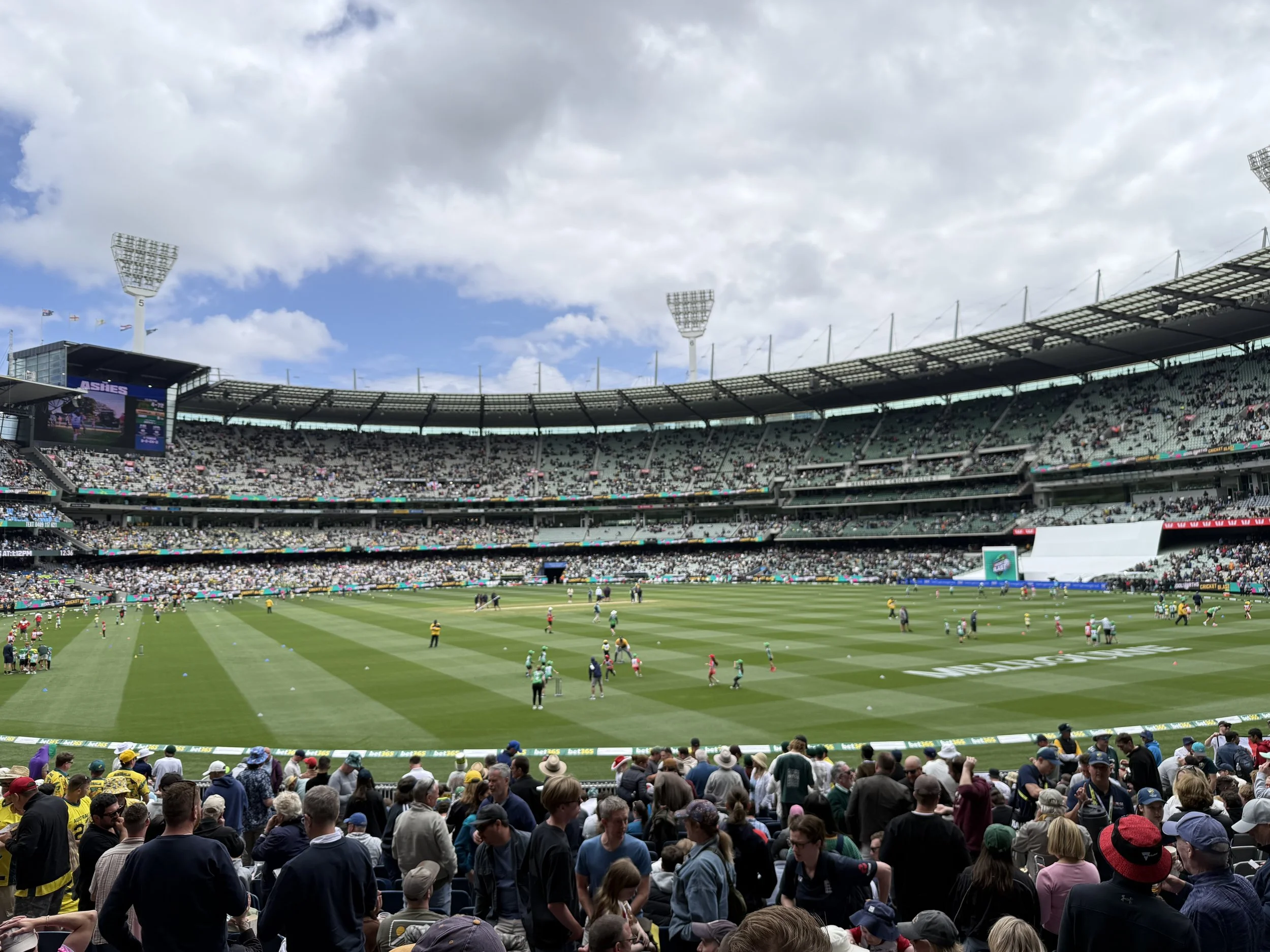
The Woolworths Cricket Blast was a sure-fire hit with families to create lasting memories.
Woolworths were one of the quiet winners of the Boxing Day Test thanks to a smart, values‑driven activation that played out right in the heart of the match day. Their Cricket Blast session during the lunch break, welcoming kids onto the MCG to have a bowl and a bat, was a brilliant piece of brand alignment.
For a supermarket brand, community is everything: families, accessibility, grassroots sport and positive associations that last well beyond the broadcast window. By putting kids on the field at the biggest cricket event of the year, Woolworths reinforced exactly what they want to stand for.
It wasn’t flashy, but it was deeply effective. In a Test where many sponsors lost exposure, Woolworths delivered an activation that parents will remember long after that final wicket fell.
Chemist Warehouse: Smart & Seasonal
Chemist Warehouse continue to show why they’re one of the most effective sponsorship operators in Australian sport. Their branding was clean, consistent, and perfectly suited to a Boxing Day Test under the Melbourne sun. The sunscreen messaging in particular was a clever seasonal play, relevant, useful and aligned with the realities of an Australian summer.
Outside the ground, their activation booth was buzzing. Fans were stopping in for samples, shade, and photo moments, which meant the brand wasn’t just visible, it was experienced. Even with the Test finishing early, Chemist Warehouse extracted full value through smart placement and smart timing.
Westpac & Toyota: Player‑Led Creative That Landed Perfectly
While their on‑shirt and in‑stadium exposure took a hit due to the shortened match, both Westpac and Toyota made up ground with excellent broadcast advertising.
Westpac’s campaign featuring Nathan Lyon and Pat Cummins was a standout, authentic, warm and built around genuine player personality rather than forced scripting. It felt like a piece of content fans actually wanted to watch.
Toyota’s spot with Glenn McGrath hit a similar note: nostalgic, heartfelt, and tied to one of the most respected figures in Australian cricket. In a Test where live action disappeared quickly, brands with strong above‑the‑line creative were the ones who maintained presence and emotional connection.
Losers
Shirt Sponsors: The Quiet Casualties of a Two‑Day Test
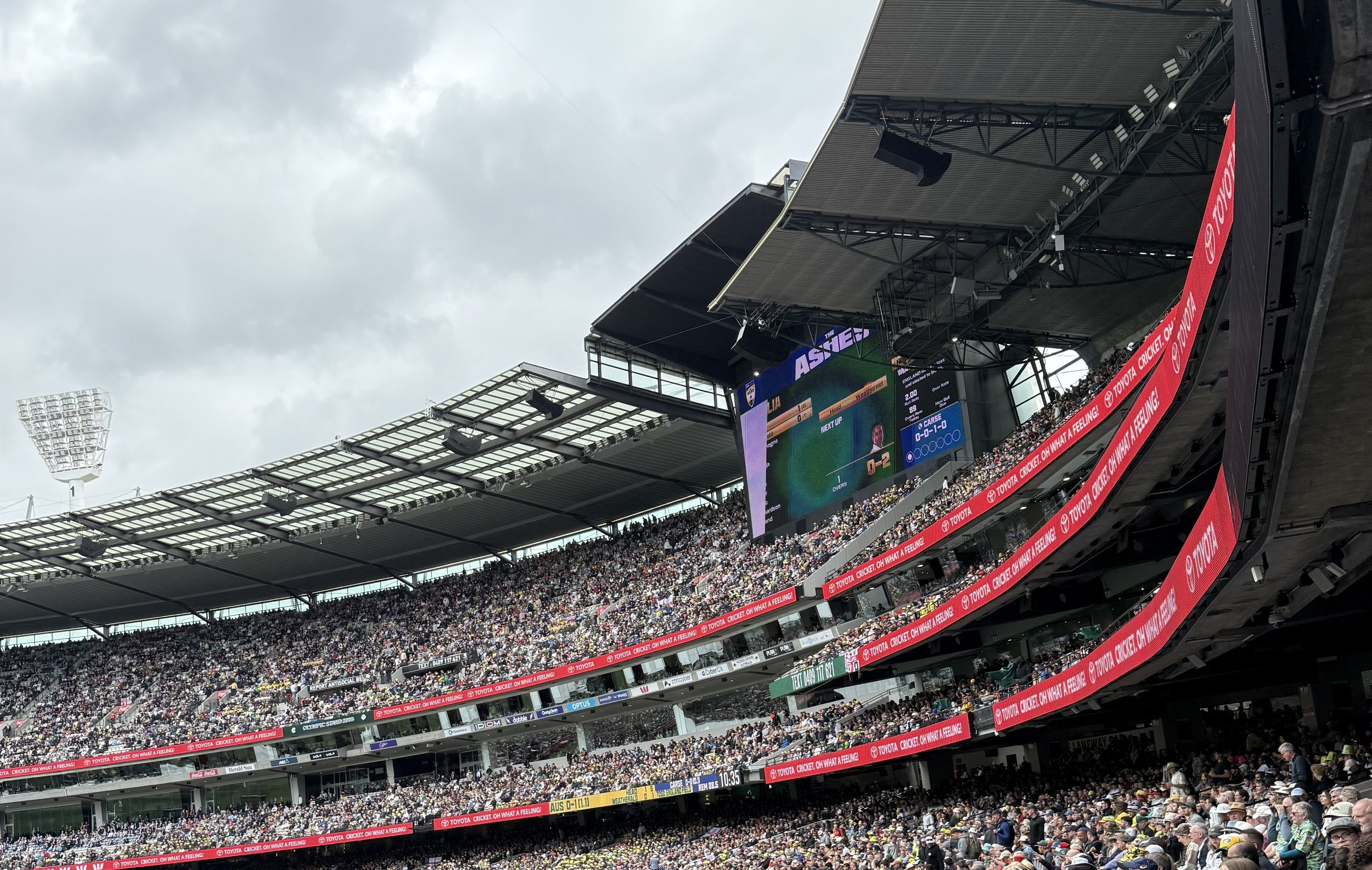
Toyota, front-of-shirt sponsors for England and also a Cricket Australia partner, suffered a huge loss of exposure.
Team sponsors were always going to be on the wrong side of a two‑day finish, and this year was no exception.
Toyota, as England’s front‑of‑shirt sponsor, although with the winning team, suffered Shirt branding is one of the most valuable assets in cricket; high‑frequency, high‑visibility and constantly in frame. But with fewer overs bowled, fewer sessions played, and fewer broadcast hours overall, Toyota’s exposure was dramatically compressed. Their excellent Glenn McGrath TV creative helped offset the loss, but that value came from their media buy, not their team sponsorship.
Westpac, on the Australian side, faced the same issue. Their Nathan Lyon and Pat Cummins ad was a standout, but again, that was above‑the‑line value rather than on‑kit visibility. I also heard several comments about the styling of the logo on Australia’s kit, anecdotal, of course, but when you hear it a few times, it’s generally the consensus.
Sleeve sponsors also took a hit. Origin on Australia’s and Tyrell’s on England’s. Both rely heavily on cumulative broadcast minutes to deliver ROI. Sleeve branding is subtle by nature, it needs time on screen to build recognition. A two‑day Test simply doesn’t provide that.
NRMA: The Title Sponsor Hit Hardest
No brand felt the impact of a two‑day Test more than NRMA. Title sponsorship is built on volume: five days of broadcast exposure, rolling commentary mentions, signage and endless replays across the holiday period. When the match ends in 48 hours, that entire value model collapses.
NRMA paid for a marathon and got a sprint. Their logo was everywhere, but for far fewer hours than expected, and with significantly less cumulative reach. For a brand investing at the very top tier of Australian cricket, this was a tough outcome.
KFC: Big Brand Presence, But a Missed Retail Opportunity?
KFC always stands out at the cricket; the buckets, the branding, the fan engagement. But at the MCG, their lack of retail presence inside the stadium felt like a missed opportunity.
With 90,000+ fans streaming through the gates on Boxing Day, a KFC outlet would have been a licence to print money and deepen the brand’s match‑day connection. Instead, they were visible but not tangible. In a Test where every minute of exposure mattered, that gap was noticeable.
How F42 Reads the Sponsorship Fallout From a Two‑Day Test
The two‑day Boxing Day Test was a reminder that even the biggest sporting stages come with volatility, and when the match collapses, so does the value equation for many sponsors. Some brands, like Bet365 and Woolworths, were perfectly positioned to thrive in the chaos. Others, particularly the major team and title sponsors, saw carefully planned exposure windows evaporate in real time. I’ve seen this dynamic play out across countless cricket partnerships, from front‑of‑shirt and sleeve deals to digital activations, on-field inventory and integrated broadcast campaigns. The lesson is always the same: the strongest sponsorships are built on flexibility, smart asset selection, and a clear understanding of how value shifts when the game doesn’t follow the script.